Training With Injuries From Service: A Veteran's Guide to Starting Again
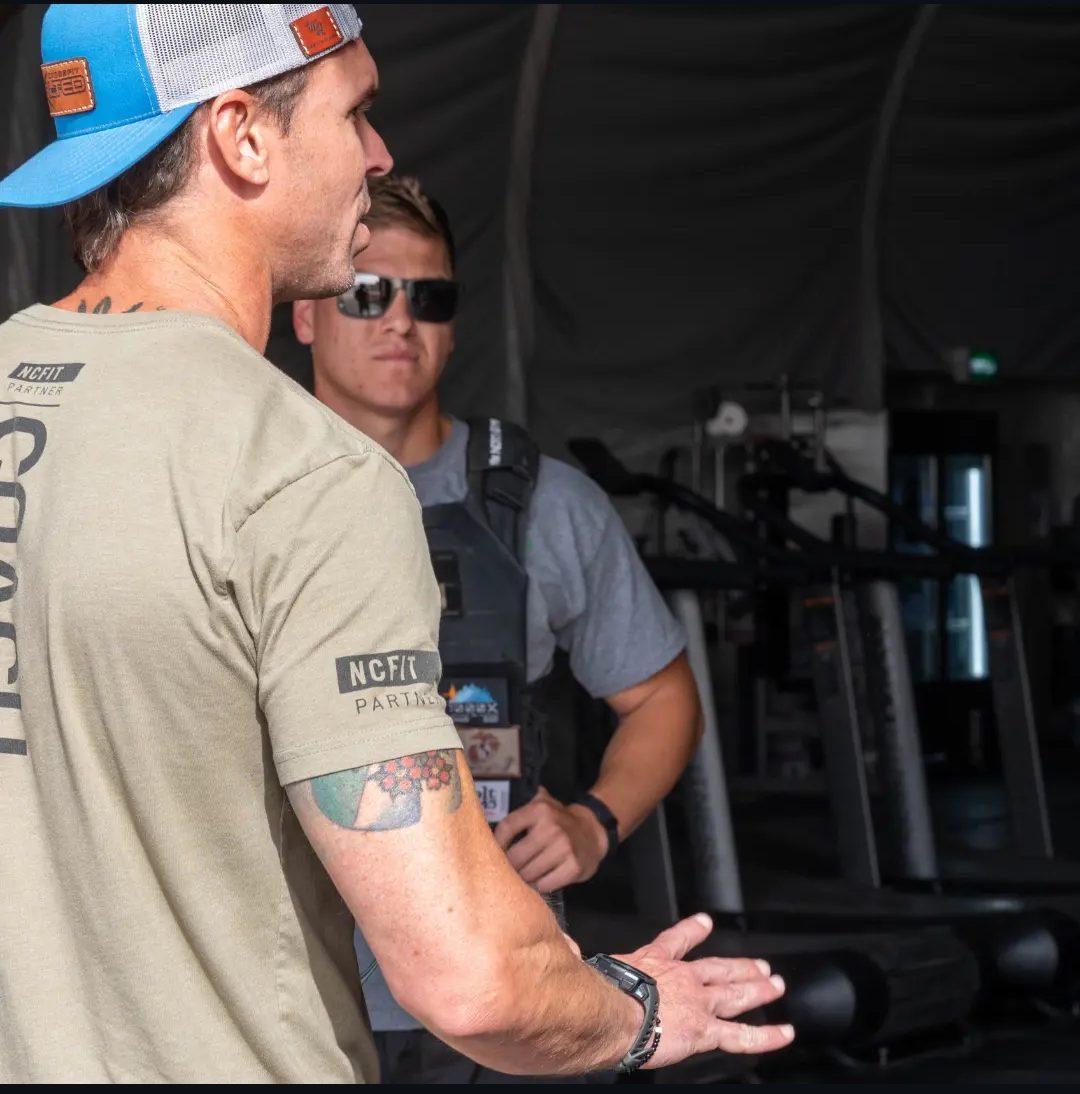
Service leaves a mark: a back that locks up, knees that talk on the stairs, a shoulder that never healed. If you want to train again but every plan assumes a body you no longer have, this is for you. I'm a U.S. Army veteran and a coach, not a doctor, so this is a framework, not medical advice.
You're not the only one
The VA's own numbers show how common this is. According to the VA's fiscal year 2024 Annual Benefits Report, as cited by the VA Office of Inspector General, the musculoskeletal system accounts for the highest number of service-connected disabilities among veterans, with 15.9 million of them assigned. Veterans can have more than one.
An older study of Iraq and Afghanistan veterans in VA care looked at who had a service-connected musculoskeletal condition. Among the 383,757 veterans in the study, 90.6% had at least one musculoskeletal-related service-connected disability. Spine conditions were the most common group, followed by limited knee and leg motion. The data is from 2014 and 2015, but it shows where the wear tends to land.
Why generic workouts fail you
A random workout assumes healthy joints, a normal training history, and a body that recovers on schedule. It copies the exercises and ignores the strategy behind them. If your back, knees, or shoulders have a history, the plan has to start with that history.
A framework for training around injuries
- Get cleared and get specific. Ask your doctor or physical therapist which movements to avoid, which are fine, what "too much" looks like, and which symptoms mean stop and call.
- Swap, don't skip. Most injuries limit a movement, not your whole body. With your clinician's okay, here are examples coaches commonly use: a goblet or box squat in place of a loaded back squat, a bike, rower, or sled push in place of running, a landmine press or push-up in place of overhead pressing. These are examples, not prescriptions.
- Change one thing at a time. Add a little weight, or a few reps, or a bit more range of motion, not all three. Finish sessions feeling like you could do more.
- Judge the session by the next day. How you feel 24 hours later tells you more than how you felt mid-set. If you're worse the next day, you did too much, so scale back.
- Know your stop signs. Sharp, worsening, or radiating pain, numbness or tingling, or pain that wakes you up at night means stop and talk to your clinician.
Questions to bring to your doctor or physical therapist
- Which movements or positions should I avoid right now?
- What does "too much" feel like for this injury, and how will I know the next day?
- Are there specific exercises you want me to do for this area?
- Which symptoms mean I should stop and call you?
- How should I change my training if this flares up?
Write the answers down. They become the rules your training plan is built around.
Keep training what you can
A bad shoulder doesn't mean skipping legs. A bad knee doesn't mean skipping upper body or core. Keeping the rest of your body training keeps the habit alive, which is the part most people lose.
A simple weekly structure
Three full-body sessions a week, each built around what you can do: one lower-body movement you tolerate, one push, one pull, one carry or core exercise, plus easy conditioning that doesn't aggravate anything. Keep a 15-minute fallback session for flare-up days, so a bad day doesn't turn into a lost week.
What custom programming looks like
When I coach a veteran with injuries, it starts with an intake form and a kickoff call about your injury history and what you've been cleared to do. Your training and nutrition plan gets built around that, not a template. Each week you send a check-in with a questionnaire, photos, and weight, plus how your body responded. The plan evolves as you progress, and chat access means a flare-up doesn't turn into a lost month.
I work alongside your doctor or physical therapist, never in place of them.
Starting from zero?
If it's also been years since you trained, read how veterans restart without getting hurt. If weight is part of the picture, see why veterans gain weight after service.
Frequently asked questions
Can I work out with a service-connected injury or disability?
Many veterans do. What's safe depends on your condition, so start by asking your doctor or physical therapist what to avoid and what's fine. Then build the plan around that, swapping movements instead of skipping training.
What exercises are safe for veterans with a bad back or bad knees?
There isn't one list that's safe for everyone, because bad backs and bad knees have different causes. A clinician can tell you which movements to avoid, and a coach can build the training around that.
Should I train through pain?
No. Normal muscle soreness is different from sharp, worsening, or radiating pain. If you have numbness, tingling, or pain that wakes you at night, stop and talk to your clinician.
Sources
- Review of Assignment of Noncompensable Musculoskeletal Joint Disabilities. VA Office of Inspector General, Report 25-02645-131.
- Annual Benefits Report, Fiscal Year 2024. Veterans Benefits Administration.
- Retrospective cohort study of musculoskeletal service-connected disabilities among 383,757 Iraq and Afghanistan veterans (VETSNET data, 2014 to 2015).
This article is general education, not medical advice. Talk to your doctor before starting or changing an exercise or nutrition program. I'm a coach, not a doctor.